Deep-fried oysters . True oysters belong to the mollusk family , along with clams , mussels and scallops . Oysters , not to be confused with pearl oysters , are found throughout the world’s oceans , usually in shallow waters and in large colonies called beds or reefs . Oysters have been surprisingly rewarded with oyster’s delicate texture and rich flavor . These shellfish are commonly served raw as appetizers , smoked and canned , or breaded and deep-fried . In all these preparations , oysters offer several important nutrients the body needs . Oysters are also high in calcium , iron , and protein . Choosing the right variety will help you reap the mollusks benefits without a lot of added fat and calories . Admittedly , they are not for everyone , but adventurous humans all over the world have enjoyed oysters…

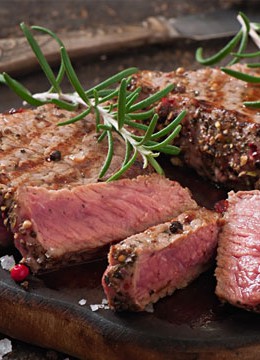
Despite the fact that there are those who claim that steak is an unhealthy dish and it can cause heart problems, my question is why don’t most people tell both sides of the story? Of course steaks can cause heart problems but that’s if there consumed in a non-moderate or excessive manner. Also, let’s be honest that anything that is not consumed in moderation can and usually does have its health issues or problems associated with it. Thus, it would be foolish to think that steak consumption alone can cause heath problems such as heart disease, when in fact certain steaks can give you a healthy dose of omega-3 and those can reduce your chances of getting cancer. Furthermore, the leaner versions of steaks are a great way of getting such vitamins as: B12 and B6. Lastly, and most importantly we cannot forget about…
In addition to having a high protein and low fat composition, lobster meat has ten to twenty percent of the USDA’s daily recommended value of potassium, selenium, zinc, phosphorus, copper, and vitamin B12. Like many other types of seafood, lobster also contains a high constitution of Omega 3 fatty acid which is beneficial for both your heart and your brain. Selenium aids the immune system and thyroid gland and may also help prevent heart disease. Bone and tissue diseases can be avoided by diets high in copper. The vitamin B12 is essential for healthy nerve and red blood cells. Phosphorus contributes to proper kidney functioning and lessens arthritis pain. Increased brain activity, a boosted immune system, and a healthier reproduction system are all benefits from consuming zinc. Finally potassium is credited with aiding your heart’s functions. The benefits of Omega 3 fatty acid range…
Seafood contains essential oils that are an important part of your diet. Oils provide the source of energy we need and they are also great flavor enhancers. More importantly, they are a source of significant fatty acids. Seafood oils are unique and have great nutritional benefits to our body. This oil contains the omega-3 polyunsaturated fatty acids, specifically the eicosapentaenoic acid (EPA) and docosahexaenoic acid (DHA). Our body only produces small amounts of these important fatty acids; therefore we need to rely on other sources for this essential nourishment. Seafood is one of the best sources of these nutrients. In fact, oils are the second biggest components in most seafood. Eating seafood just once or twice a week can provide good health benefits. Eating fresh seafood is a great way to obtain your required dose of these essential oils. Oils extracted from seafood are…
Background The most commonly caught and sold species is the red king crab (Paralithodes camtschaticus). According to the Alaska Seafood Marketing Institute, the best meat of the king crab is in the legs. Unlike other crabs, king crabs have only six legs (versus eight). The body of the crab offers little meat and usually goes to canners. King crabs were plentiful until the early 1980s. Then came a shortage caused by water temperature changes and other environmental conditions. Since then, the price has more than doubled and they are less available. Nutrition Basics An Alaskan king crab leg (134g) cooked and served plain, provides 130 calories, 2.1g of fat, .2g of saturated fat, and zero trans fat, carbohydrate, sugar and dietary fiber. One leg of the aforementioned serving size provides about 26g of protein, making it an excellent source of protein, though it is…